
Most people assume that staying indoors protects them from outdoor pollution. While that is partially true, the reality is that enclosed spaces can accumulate contaminants that reach concentrations well above what you would encounter outside.
Everything from building materials and cleaning products to pets, cooking, and humidity levels contributes to what occupants breathe every day. Without proper ventilation and regular maintenance, these pollutants can remain trapped indoors for extended periods, potentially affecting comfort, health, and overall indoor air quality.
Common Sources of Indoor Contamination
Volatile organic compounds are among the most prevalent indoor pollutants. They are emitted by paints, adhesives, furniture, flooring materials, and cleaning supplies. Many people are exposed to these compounds continuously without realizing it, especially in newer buildings where materials are still off-gassing.
Mold is another significant concern. It thrives wherever moisture collects, including behind walls, under flooring, in bathroom grout, and around windows with poor seals. Even in small quantities, mold spores can trigger respiratory symptoms in sensitive individuals. In larger concentrations, they pose risks to nearly everyone.
Combustion byproducts from gas appliances, candles, and fireplaces are also common. Carbon monoxide is the most dangerous, but nitrogen dioxide and fine particulate matter from these sources can accumulate to problematic levels even without visible signs of poor combustion.
Who Is Most at Risk
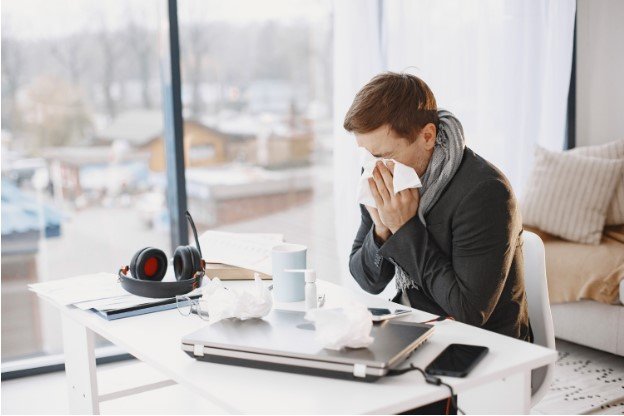
Children, the elderly, and individuals with existing respiratory conditions are most vulnerable to the effects of poor air quality. However, even healthy adults can experience headaches, fatigue, eye irritation, and reduced concentration when spending extended periods in poorly ventilated spaces with elevated pollutant levels.
Office buildings, schools, and older homes are particularly common environments for air quality problems. In many cases, occupants attribute their symptoms to other causes, not realizing that the air they breathe is the underlying factor.
The Value of Professional Assessment
Consumer air quality monitors can provide a general sense of conditions, but professional indoor air quality testing delivers far more precise and actionable results. Trained assessors use calibrated equipment capable of detecting specific compounds at low concentrations, providing a detailed picture of what is present and at what levels.
Professional assessments also include recommendations for remediation. Rather than leaving occupants to guess at solutions, a qualified inspector can identify the sources of contamination and suggest specific measures to address them, from ventilation improvements to the removal of particular materials or products.
Practical Steps for Better Air Quality
Improving ventilation is one of the most effective interventions available. Regular air exchange dilutes contaminants and brings in fresh air that displaces stale, polluted air. Opening windows where outdoor air quality permits, using exhaust fans in kitchens and bathrooms, and considering mechanical ventilation systems all contribute.
Reducing the sources of contamination is equally important. Choosing low-emission materials during renovation, storing cleaning products in sealed containers, and addressing moisture problems promptly are practical steps that significantly reduce exposure over time. Testing first gives you a clear baseline and helps you prioritize where to focus your efforts.